
Difference Between Angina and Heart Attack
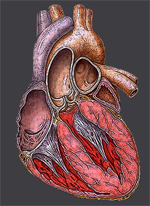 Most people often confuse angina with heart attack (Myocardial Infarction -MI), but there are several distinctions between these two conditions. Angina pectoris or Angina occurs in heart muscles when there is not enough blood flow to the heart. When heart muscle does not get enough blood, it lacks oxygen and nutrients supply. It is a warning sign that tells your body to slow down when oxygen consumption is high.
Angina can be induced by activities that involves your heart to work harder and faster including physical exertion, smoking, large meal or mental and emotional stress. Many people who experience angina know their episodes, triggers, frequency, and level of exertion. Angina usually lasts for few minutes, but sometimes it can last up to a few hours as well.
In terms of differences, Angina is only temporary reduction of the blood flow to the heart, while a heart attack is a sudden and permanent obstruction of blood flow to the heart. Heart attack is more severe, last longer and cause permanent damage to the heart muscles, whereas angina chest pain goes away with rest or medication and does not cause permanent damage to the heart muscles. Both heart attack and angina can accompany with indigestion, nausea, sweating and anxiety.
- Difference Between CA and CMA - February 1, 2010
- Difference Between CGA and CMA - January 30, 2010
- Difference Between Molds and Yeast - January 27, 2010
Search DifferenceBetween.net :
 Email This Post
: If you like this article or our site. Please spread the word. Share it with your friends/family.
Email This Post
: If you like this article or our site. Please spread the word. Share it with your friends/family.


Thank you so much, this is help full.