
 Gypsum vs Lime
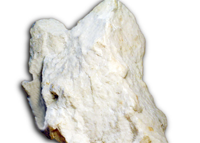
Gypsum is a mineral that is composed of calcium sulphate. It occurs in nature as flattened and often its crystals will be twinned with transparent cleavable masses known as selenite. At times it may occur as a silky, fibrous form known as spar or other times it may be granular. The occurrence of gypsum called alabaster is a very fine grained variety that is used in all sorts of ornamental work. Gypsum can also occur in an opaque, flower-like form containing some sand grains embedded within. The natural crystals of gypsum in the selenite form are some of the largest known in nature.
The term Lime is a general term for calcium containing inorganic materials predominantly containing carbonates, oxides and hydroxides. However, in strict terms, Lime is calcium oxide or calcium hydroxide. Lime was originally used as building mortar and has ability to adhere to surfaces. Many lime products are widely used for building purposes and in agriculture as chemical feedstock. Calcium carbonate is the primary composition of the minerals and rocks from which these materials are got, the principle mineral being limestone.
The three major types of lime are calcium carbonate, also called ground limestone and calcic limestone. This seems to be the most abundant form of lime therefore most widely used. It is non caustic and contains equal amounts of calcium and magnesium carbonate. Then there’s calcium oxide, also known as burnt lime which is caustic and is more reactive than calcium carbonate. The third type is hydrated lime which is slightly more reactive than calcium carbonate. Lime has several uses among which are correcting soil acidity, furnishing calcium and magnesium nutrients for plants, and increasing bacterial activity thus inducing favorable soil structures.
Comparing properties of agricultural lime to gypsum
By increasing exchangeable calcium and neutralizing hydrogen ions, lime will raise the PH of acid soils and is generally favorable for pH below 6 while gypsum neither neutralize acid soils nor effectively raise pH level. Lime also naturally occurs in some alkaline soils but does not effectively reclaim them unless sulphur is added, while for gypsum it will reclaim alkaline soils by replacing sodium with calcium.
Summary:
1. Lime is a carbonate, hydroxide or oxide of calcium whereas gypsum is a sulphate.
2. Lime has more alkaline properties whereas gypsum is slightly more acid.
3. Most types of lime have finer crystals whereas gypsum has larger crystals in the natural state.
4. Because of its alkalinity, lime raises pH of soils while gypsum does not raise pH of soils.
- Difference Between Nuts and Bolts - August 2, 2010
- Differences Between Crystal and Gold Silver - August 2, 2010
- Difference Between Crystal Reports and Web Intelligence - August 1, 2010
3 distinct types of limestone, defined by their magnesium carbonate (MgCO3) concentrations
1. High calcium (less than 5% MgCO3)
2. Magnesian (5 to 35% MgCO3) and
3. Dolomitic (35 to 46% MgCO3)
Reply
not 50% of each as written in the article
Reply
Thank you for the valuable information related to farmers about the difference between lime and gypsum…
Reply